Industry Insights by The Experts
Industry Intelligence from the Disruptors Redefining Private Label Manufacturing
The Hidden Factors That Determine Whether Customers Reorder Your Product
Industry: Multi Location, Creators, Scaling Operators
Most supplement brands obsess over the first sale.
The brands that scale obsess over the second.
Reorders are where real growth lives. They are the clearest signal of whether a product actually works, fits into a customer’s life, and delivers on its promise. They are also far more valuable than any one time conversion spike.
As Harvard Business Review explains:
“Depending on which study you believe, and what industry you’re in, acquiring a new customer is anywhere from five to 25 times more expensive than retaining an existing one.”
Harvard Business Review
Yet most brands misunderstand why customers come back. They assume reorders are driven by marketing, loyalty programs, or clever promotions.
In reality, reorders are driven by something much quieter. Experience, consistency, and trust.
Why Reorders Matter More Than First Time Buyers
The first purchase is often fueled by curiosity, influence, or hype.
The second purchase is fueled by truth.
A customer only reorders if:
- The product delivered what they expected
- The experience felt easy and reliable
- Nothing created enough doubt to stop them
You can acquire customers with ads. You earn reorders through execution.
The Silent Quit Problem in Supplements
Most customers will never tell you why they stopped buying.
They do not email support.
They do not leave a bad review.
They simply do not reorder.
This silent quit happens for reasons that often feel minor in isolation:
- The taste was just acceptable
- The product caused mild discomfort once
- The results felt inconsistent
- The bottle looked or felt different
- The experience felt interchangeable
None of these feel catastrophic. Together, they quietly kill retention.
Consistency Beats Innovation Every Time
Founders love iteration. Customers love predictability.
In supplements, consistency is one of the strongest drivers of repeat purchase:
- The same taste every time
- The same texture and mixability
- The same capsule size
- The same effect timing
- The same overall experience
One bad batch can undo months of trust. A small formula or sourcing change may feel insignificant operationally, but to a customer it introduces friction and doubt.
Reorders happen when customers do not have to think.
Taste and Tolerance Are Retention Multipliers
Most founders underestimate how much formulation rigor affects repeat purchases. Getting a product close enough may be sufficient for launch, but it is rarely enough to earn long term trust.
As Steven Anderson, Founder and CEO of Next Day Nutra, explains: “Reorders are earned long before launch. The brands that win are the ones willing to test, adjust, and refine the formula until it actually delivers the experience they promised. If you rush formulation or skip proper testing, customers will feel it and they won’t reorder.”
Daily use products live or die by experience.
If a product:
- Tastes unpleasant
- Feels chalky or gritty
- Leaves an aftertaste
- Causes bloating or discomfort
Customers may finish the bottle. They rarely buy it again.
Customers do not separate effectiveness from experience. A product that works but feels unpleasant loses to one that feels effortless.
Expectation Matching Determines Satisfaction
Many reorders are lost before the first scoop is finished.
Expectation mismatches show up as:
- Overstated benefits
- Unclear timelines for results
- Confusing serving sizes
- Claims that feel exaggerated
When expectations are set too high, even a good product feels disappointing. When expectations are set clearly, satisfaction increases even when results are gradual.
Reorders depend on alignment, not exaggeration.

Trust Signals Carry Into the Second Purchase
Trust is not rebuilt with every order. It compounds or erodes.
Subtle trust signals matter more than most brands realize:
- Clean, readable labels
- Ingredient transparency
- Made in the USA
- Consistent packaging
- No surprises between orders
Customers may not articulate why they trust a product. But they feel when something changes.
Reorders Are Often an Operational Problem, Not a Marketing One
Many brands treat retention as a growth lever. In reality, it is often an execution problem.
Operational issues that quietly kill reorders include:
- Inconsistent quality control
- Ingredient substitutions
- Formula drift over time
- Packaging changes without explanation
- Fulfillment delays
Many reorder failures are not dramatic. They stem from small inconsistencies that compound over time and quietly erode confidence.
As Brittani Kellogg, Director of Quality Control at Next Day Nutra, notes:
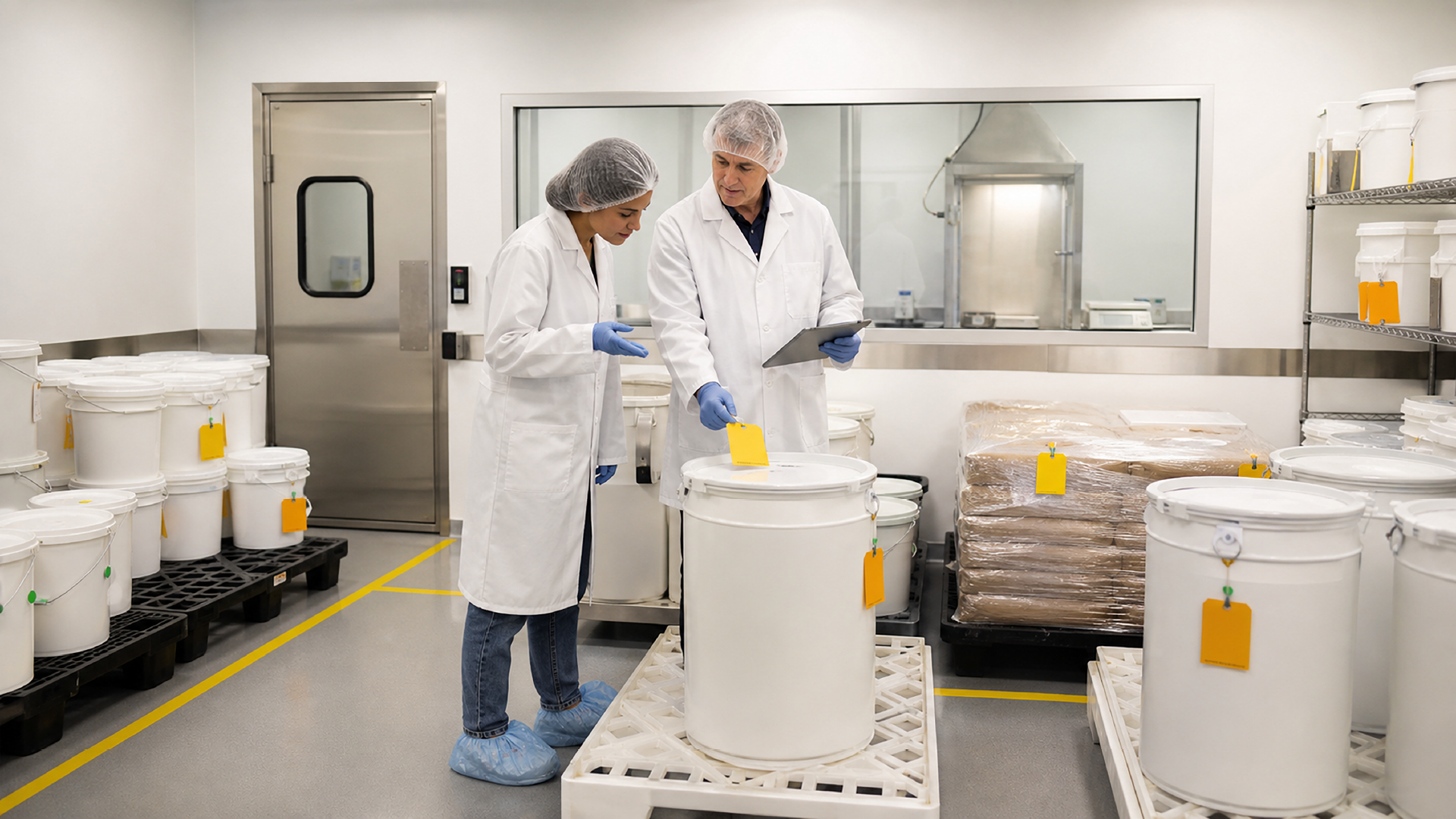
“Customers may not know what changed, but they know when something feels different. Even small quality deviations can break trust. Consistent testing and quality control are what protect reorders, because they protect the customer’s experience every single time.”
From the customer’s perspective, these issues feel like unreliability. From the brand’s perspective, they often go unnoticed.
How High Performing Brands Design for Reorders
Brands that retain customers do not leave reorders to chance. They design for them.
That means:
- Locking formulas early
- Prioritizing taste and tolerance
- Building quality control into the lifecycle
- Avoiding unnecessary changes
- Treating consistency as a product feature
At Next Day Nutra, we see the same pattern repeatedly. Brands that design for reorders scale more smoothly, spend less on acquisition, and build real brand equity.
Reorders Are the Real Verdict
Most private label failures do not come from bad ideas. They come from weak execution, rushed decisions, and overlooked details that matter more to customers than brands expect.
Reorders strip away excuses.
They are not driven by launch hype, influencer buzz, or promotions. They happen only when a product consistently delivers the same experience, results, and trust every time a customer uses it.
When customers do not reorder, it is rarely because the market changed. It is usually because something introduced friction. The taste was off. Results felt inconsistent. Expectations were not met.
Reorders are not a growth hack. They are a verdict.
If customers come back, your product earned a place in their routine. If they do not, it did not survive real world use. That signal is uncomfortable, but it is also the most honest feedback a brand can get.
Ready to Build a Product Customers Reorder Confidently?
Designing a product customers reorder requires more than a compelling idea or a fast launch. It requires systems that protect the customer experience long after the first sale is made.
That means:
- Formulation that is tested until it is right, not just passable
- Quality control that prevents drift and inconsistency
- Clear expectations that match real outcomes
- Operational discipline that keeps every batch, bottle, and shipment aligned
At Next Day Nutra, we help brands build products with reorders in mind from the very beginning. Our approach connects formulation, testing, quality control, and operations into a structure that supports long term trust, not just launch day success.
If you want to build a product customers actually finish and buy again, this is where to start.
Industries
Recent Posts